Air Conditioner Frozen in Hope Island
If your air conditioner has frozen or iced up in Hope Island, it is nearly always an airflow or refrigerant problem. Air Conditioning Hope Island clears the cause fast and gets you cooling again, backed by 300+ five-star reviews.
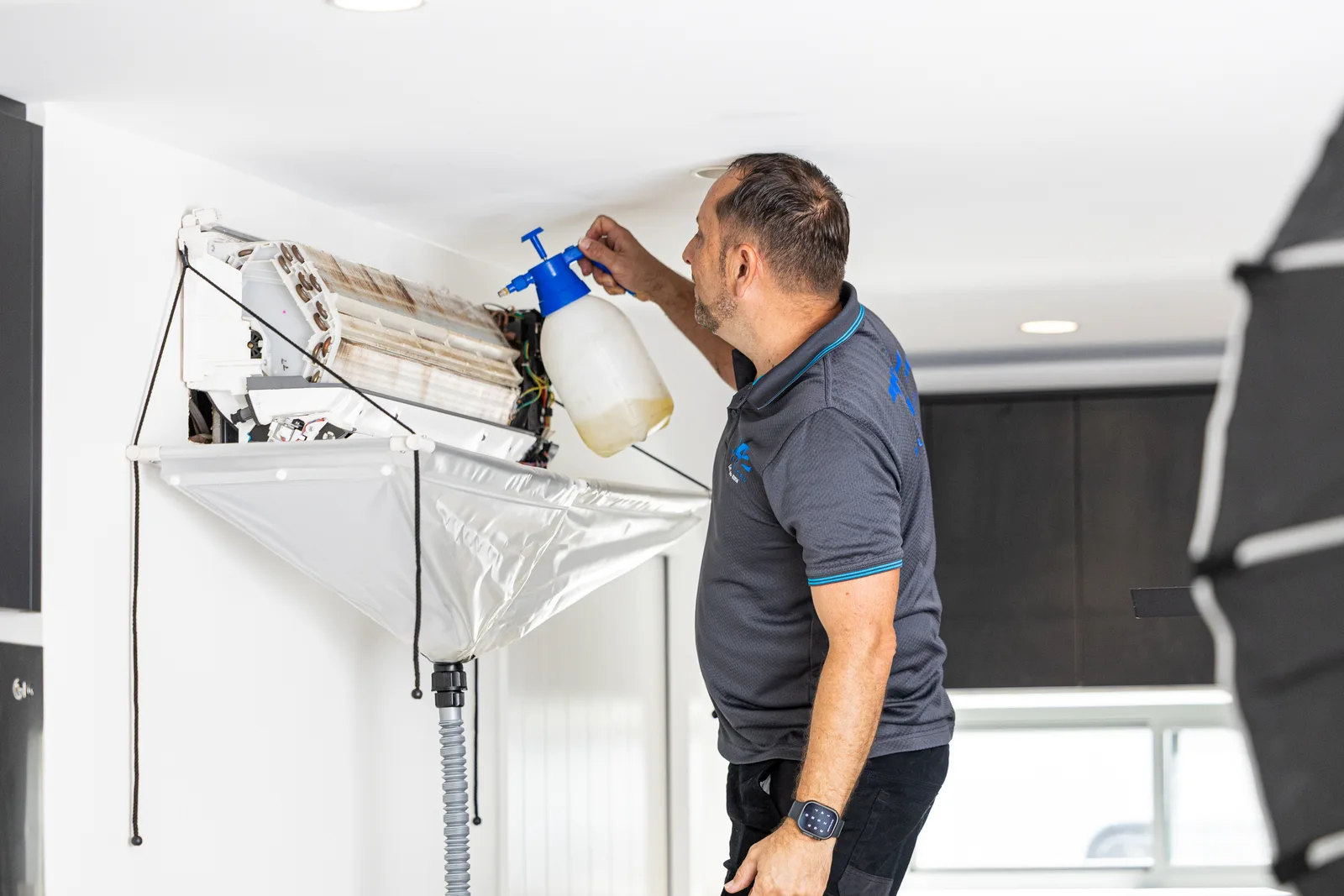
Why Your Air Conditioner Has Iced Up
Ice on the coil or pipework means the system cannot shed heat properly, usually from restricted airflow or low refrigerant rather than anything more serious. ARC-certified technicians (Lic #83326, ARC #L160535) check the filter, coil and gas pressure in order to find the real cause, so you are already in the right place.
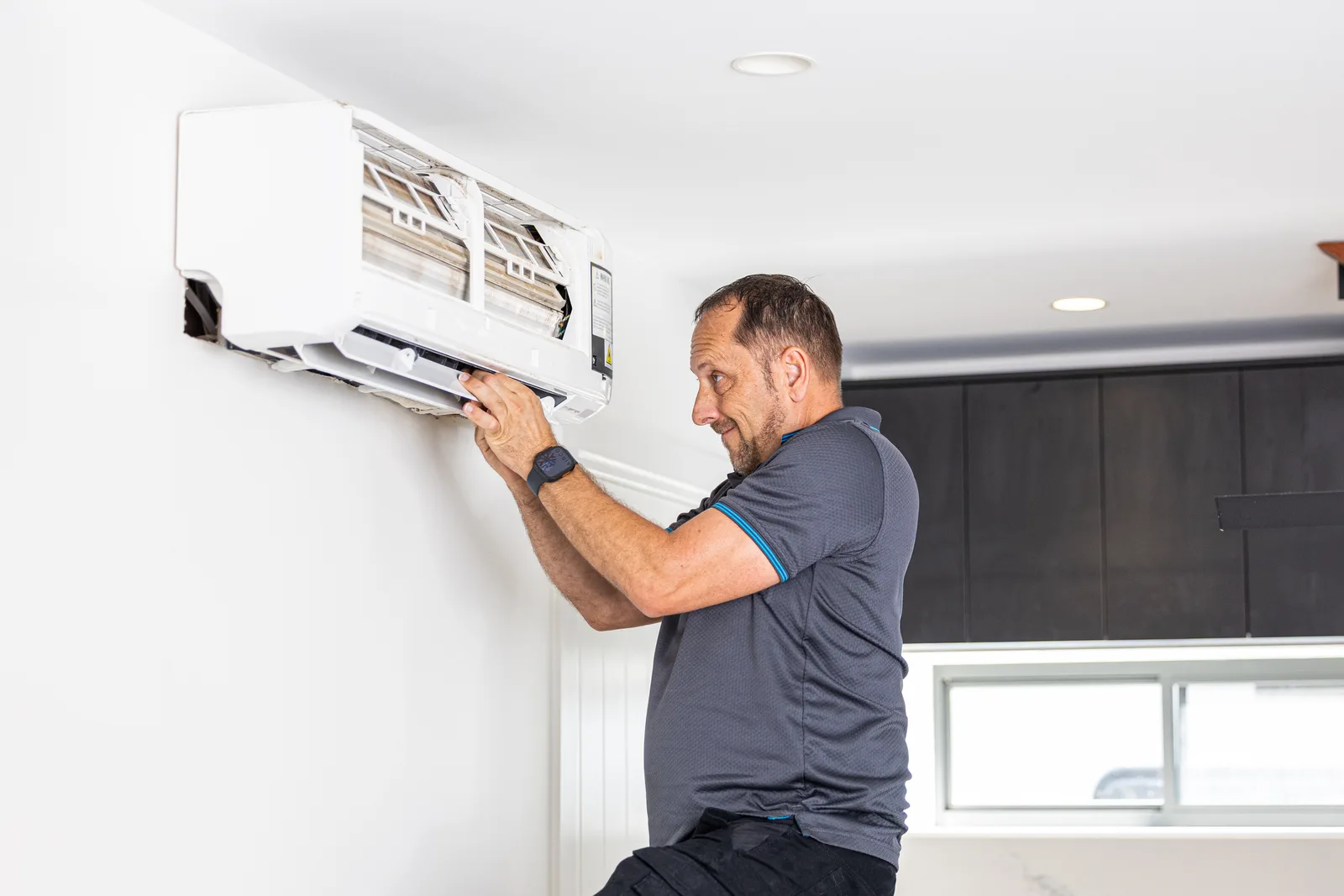
Common Causes of an Aircon Freezing Up
A choked or dirty filter
Restricted airflow is the single biggest cause of icing, a filter clogged with dust starves the coil of warm air, so condensation on the coil freezes instead of draining away.
Dirty coils holding moisture
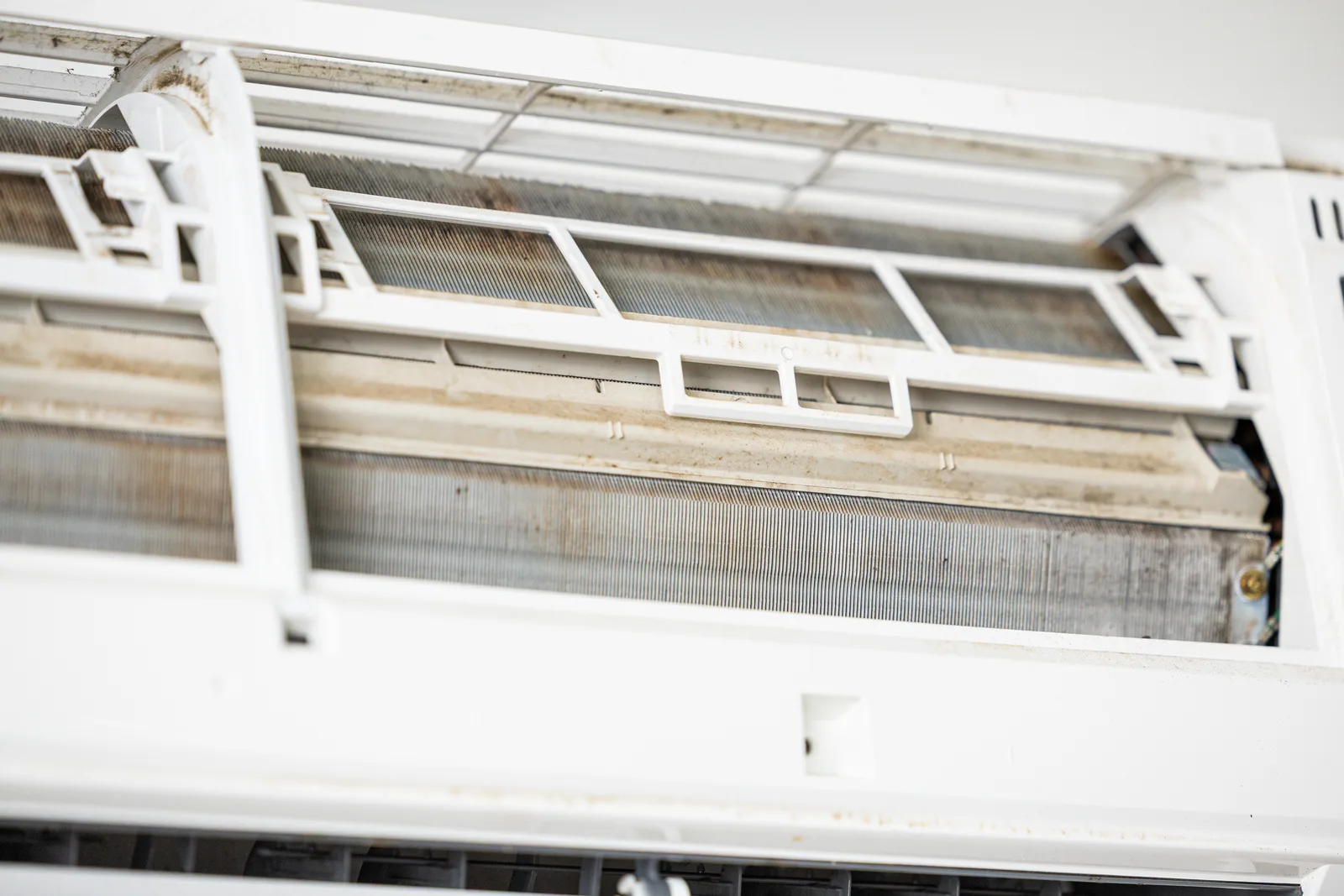
Grime and coastal dust caked onto the indoor coil trap moisture against the metal, and that trapped moisture freezes over quickly once airflow across it drops even slightly.
Low refrigerant or a slow leak
When gas runs low the coil runs colder than it is designed to, and that extra cold causes ice to form even with reasonable airflow, needing a proper ARC-licensed leak repair and regas.
A failing indoor fan
If the fan is weak, unbalanced or failing outright, not enough warm air moves across the coil to stop ice building, and the fault gets steadily worse the longer the system is left running.
Can I Fix This Myself?
Turn the unit off and let it thaw fully before doing anything else, running it while iced up can damage the compressor over time. Clean the filter once thawed, but refrigerant and coil faults are ARC-licensed work only a technician should touch.
- Turn the unit off and switch to fan-only mode to help the ice melt safely
- Never chip or scrape ice off the coil, let it thaw naturally instead
- Clean or replace the filter once fully thawed, as a choked filter is the top cause
- Refrigerant, the sealed system and the coil are ARC-licensed, not a DIY job
What To Check Right Now
Work through these safe steps once you have switched the unit off and let it thaw:
- Turn the unit off completely and switch to fan-only mode to help it thaw.
- Once thawed, clean or replace the filter if it looks dirty or clogged.
- Check the outdoor unit is not blocked by leaves, debris or built-up grime.
- Confirm the vents and returns inside are not blocked by furniture or curtains.
- Call an ARC-certified technician (Lic #83326, ARC #L160535) if ice keeps coming back.

When To Call an Aircon Technician for Icing in Hope Island
- Ice returns again after a full thaw and a filter clean
- The outdoor unit itself has a visible block of ice on it
- The system runs constantly but the room barely cools once thawed
- You hear unusual noises from the fan alongside the icing
- The unit is older and has not had a proper service in years
Any of these at your Hope Island property is a job for an ARC-certified technician, not another thaw-and-hope cycle. We respond same-day where availability allows, with clear pricing before we start and no surprises. See our air conditioning repairs and air conditioning cleaning.
How it works
How We Fix a Frozen Aircon in Hope Island
Fault Finding
We confirm the unit is fully thawed, then check the filter, coil condition, fan and refrigerant pressure carefully to find whether it is an airflow or a gas problem.
Upfront Quote
Once we know whether it needs a clean or a regas, we explain it plainly and confirm clear pricing before we start, so there are no surprises.
The Clean or Regas
Most icing clears with a proper air conditioning clean of the coil and filter, or a regas under our ARC licence if refrigerant is the cause.
Testing & Cooling Check
We run a full cool cycle afterwards, watching the coil, drain and airflow closely, to confirm ice does not return and the system is cooling properly before we leave.
Why This Is Common in Hope Island Homes
The humid air drifting off the canals and marinas around Hope Island loads coils with moisture quickly, and reverse-cycle systems working hard through summer in these newer rendered homes and apartments are more prone to icing whenever filters and coils go a season without a proper clean.
Frozen Aircon and Related Faults Across Hope Island
An iced-up aircon often shows up alongside poor cooling, warm air or water leaking once it thaws. We fix all of these across Hope Island, Coomera, Oxenford, and the wider Gold Coast, including ducted systems.

Air Conditioner Frozen in Hope Island? Book a Technician Today
Call (07) 5661 9525 for same-day and emergency service with clear pricing before we start. Backed by 300+ five-star reviews and ARC-certified technicians, we will clear the cause and get you cooling properly again.
See the full range of help available from your air conditioning team in Hope Island, from quick fixes to new systems.
Common questions
Air Conditioner Frozen FAQs
An iced-up unit worries a lot of Hope Island homeowners. Here is what we are asked most often.
Why is my air conditioner freezing up?
A frozen coil almost always means restricted airflow from a choked filter or dirty coil, or low refrigerant, rather than the system simply being too cold.
What causes ice to form on an air conditioner?
Reduced airflow across the coil lets condensation freeze rather than drain away, usually from a blocked filter, dirty coils, low refrigerant, or a failing fan.
Can I fix a frozen air conditioner myself?
You can turn it off, switch to fan mode to help it thaw, and clean the filter, but refrigerant and coil faults need an ARC-licensed technician.
Do I need a technician if my aircon is frozen?
Yes, once you have thawed it and cleaned the filter. If ice returns, it points to a refrigerant or airflow fault that needs a proper diagnosis.
How much does it cost to fix a frozen air conditioner?
It depends on whether it is an airflow fix or a refrigerant regas. We give clear pricing before we start, never a guessed figure over the phone.
Does humidity around Hope Island make aircon freezing worse?
It can. The humid air near the marinas and canal estates loads coils with moisture fast, and a choked or grimy coil is more likely to ice over.